Free U.S. seed shipping $35+. Seeds ship free at the threshold.

Current Processing Times Before Shipping Are 1-2 Business Days

Hiroshimana Seeds

Scientific name Brassica rapa

About this variety

Hiroshimana grows glossy green leaves with pale green midribs in a loose, leafy rosette. The tender foliage lends itself to steaming, stir-frying and soup, while larger harvests are useful for pickling. Unlike a dense heading cabbage, it can be gathered at several stages to suit the meal. Grow a few plants for early greens and let others develop...

Open the complete description
No customer reviews yet

Grown these seeds from us? Use the review invitation in your order follow-up email to share your experience.

$2.00

Free U.S. seed shipping starts at $35 in eligible seed items. Installment payment options are shown separately.

Want this variety when it returns?

Choose “Notify me when available” to get a restock email. You can keep exploring other varieties while you wait.

At a glance

The facts most gardeners need first

Open the full variety record
100 minimum seeds per packet
Gardener experience

Easy to moderate

Germination difficulty

Easy

Germination time

4-10 days at 55-70 F seed-zone soil temperature

  • Germination
    4-10 daysa seed-zone soil temperature of 55-70 F
  • Maturity
    45 daysApproximate from sowing; harvest stage and conditions affect timing
  • Sun
    Full sun
  • Support and spacing
    No support needed · space 12 in · rows 18 in
  • Growth habit
    Upright or erect · Annual
  • Best use
    Hiroshimana grows glossy green leaves with pale green midribs in a loose, leafy rosette.
Secure checkout Details
Generic
Triple-tested seed qualityRegular quality and germination checks support every packet.

We regularly test seed quality and germination as lots move through storage and packing. We stand behind the seed we send and want customers to contact us when a packet does not perform as reasonably expected.

1-year seed warrantyCoverage begins on the date of purchase.

When properly stored, planted, and cared for, we guarantee reasonable germination and true-to-type growth for one year from the date of purchase. Conditions outside our control—including extreme weather, pests, unsuitable storage, and gardener error—are excluded. Contact us when something is not right so we can review the situation and work toward a replacement, refund, or another fair resolution.

Non-GMO / BE seed policyWe do not buy or sell genetically engineered or bioengineered seed.

Every seed variety we sell is non-GMO.

USDA’s National Bioengineered Food Disclosure Standard defines bioengineered foods as containing detectable genetic material modified through in vitro recombinant DNA methods in ways not achievable through conventional breeding or found in nature.

  • Hybrid means parent lines were conventionally crossed; hybrid does not mean GMO.
  • Heirloom and open-pollinated describe how a variety is maintained and reproduced.
  • Organic certification is separate and is shown only when verified for the individual product.
Packed in Colerain, North CarolinaPrepared in our seed room for gardens across the country.

Seeds are packed and shipped from Colerain, North Carolina. Our packets use forestry-certified paper, and we use recyclable paper mailers where appropriate. AONSK is also a 1% for the Planet partner while continuing to reduce waste in packing and fulfillment.

Seed & Garden Calculators

Need a plan for your space?

Use the garden-fit planner and soil calculator to turn the recorded growing facts into a practical plan.

Open Seed & Garden Calculators Uses this product’s recorded growing information. Local weather and garden conditions may vary.

Variety field guide

What to expect from Hiroshimana Seeds

Hiroshimana grows glossy green leaves with pale green midribs in a loose, leafy rosette.

Open the complete descriptionHide the complete descriptionVariety traits, flavor, garden use, and the complete description

Hiroshimana grows glossy green leaves with pale green midribs in a loose, leafy rosette. The tender foliage lends itself to steaming, stir-frying and soup, while larger harvests are useful for pickling. Unlike a dense heading cabbage, it can be gathered at several stages to suit the meal. Grow a few plants for early greens and let others develop more fully, keeping the crop moist and harvesting before hot weather reduces quality.

Minimum seeds per packet: 100 seeds.

Glossy, versatile greens for fresh cooking and pickling.

Growing facts

  • Botanical name: Brassica rapa
  • Maturity or display: 45 days; 60-70 for larger plants
  • Mature size: Loose leafy rosette; size varies with harvest stage
  • Spacing: 12 in between plants; rows 18 in

About the variety

Hiroshimana is a Japanese loose-leaf Chinese cabbage grown for tender greens. A leafy harvest can begin around 45 days; larger plants develop over roughly 60-70 days.

Starting seed

Sow 1/4-1/2 in. deep for mild spring weather or late-summer planting. Keep moist at 60-70 F; allow about 4-10 days to sprout. Thin to 12 in. apart, rows 18 in. apart. Use sun and fertile soil; prolonged cold or heat may trigger bolting.

Care through the season

Maintain even moisture and remove weeds while small. Rotate brassica beds and use insect netting before flea beetles or caterpillars arrive. Grow for a cool harvest; extended cold on young plants can induce flowering, and summer heat can reduce leaf quality. Fall sowings often avoid spring cold followed by heat.
Harvest and use

Begin gathering usable greens around 45 days from sowing; allow 60-70 days for larger plants. Cut at the base before bolting, then refrigerate or pickle. For seed, isolate flowering plants from other Brassica rapa and dry mature pods before threshing.

Saving seed

These open-pollinated brassicas are insect-pollinated. Keep several healthy, typical plants for seed and prevent crossing with other flowering varieties of the same species. Some plants need a cold period before flowering. Let pods mature, then cut and dry them under cover before they shatter; clean, label and store seed cool and dry.

Common problems

Check young leaves for flea beetle holes, aphids and caterpillars. Use row covers early, inspect regularly, and remove badly diseased plants. Crop rotation, drainage and steady watering help limit root disease and stress. A flowering stem means the leafy harvest is ending; use the leaves promptly.

Frequently asked questions

Does it form a tight head?

Hiroshimana grows glossy green leaves with pale green midribs in a loose, leafy rosette.

When should I harvest?

Begin gathering usable greens around 45 days from sowing; allow 60-70 days for larger plants. Cut at the base before bolting, then refrigerate or pickle. For seed, isolate flowering plants from other Brassica rapa and dry mature pods before threshing.

Why is it flowering early?

Maintain even moisture and remove weeds while small. Rotate brassica beds and use insect netting before flea beetles or caterpillars arrive. Grow for a cool harvest; extended cold on young plants can induce flowering, and summer heat can reduce leaf quality. Fall sowings often avoid spring cold followed by heat.
Seed & Garden CalculatorsOpen the garden-fit planner, planting-window questions, or soil calculator only when useful

Uses this product’s recorded growing information. Local weather, soil, and garden conditions may vary.

Garden-fit planning for this variety

Will Hiroshimana Seeds fit your garden?

Check cool-season timing, transplant plans, heat pressure, soil moisture, and harvest goal. Start with the essentials, then open only the detail groups that matter to you.

Rules-based · no AI · optional answers

Add an optional ZIP code and planting date for a broad frost-window check.Use local forecasts and measured soil temperature for final planting decisions.
1Essential fitTiming, light, and space
2Temperature and exposureOptional microclimate detail
3Soil, drainage, and waterRoot-zone readiness
4Questions for this cool-season vegetable seedCrop-specific decisions
5Seed-starting fit and patienceMatch the propagation work
Recorded product profileBeginner to intermediateEasyRead why
Soil test, pH, drainage, and amendment calculator Have a laboratory soil report? Enter pH, nutrients, texture, bed size, and site observations here. Open soil tools
Recorded soil typeLoamy
Recorded pH range6.5–7.0
Water needsModerate
LightFull sun

Laboratory report interpreter

Soil readiness for Hiroshimana Seeds

Brassica rapa

Enter only the values your report provides. The result compares them with this crop’s recorded needs and keeps laboratory recommendations authoritative.

Core report valuesStart here
Advanced laboratory valuesOptional method-aware detail

Full growing record

Complete growing and seedkeeping record

Starting and plantingSeed preparation, sowing, germination, transplanting, spacing, and early establishment
Sow 1/4-1/2 in. deep for mild spring weather or late-summer planting. Keep moist at 60-70 F; allow about 4-10 days to sprout. Thin to 12 in. apart, rows 18 in. apart. Use sun and fertile soil; prolonged cold or heat may trigger bolting.

Maintain even moisture and remove weeds while small. Rotate brassica beds and use insect netting before flea beetles or caterpillars arrive. Grow for a cool harvest; extended cold on young plants can induce flowering, and summer heat can reduce leaf quality. Fall sowings often avoid spring cold followed by heat.
Season-long growing guideWater, fertility, support, weather response, pollination, containers, and care through maturity
Sow 1/4-1/2 in. deep for mild spring weather or late-summer planting. Keep moist at 60-70 F; allow about 4-10 days to sprout. Thin to 12 in. apart, rows 18 in. apart. Use sun and fertile soil; prolonged cold or heat may trigger bolting.
Harvest, storage, and usesRecognizing maturity, harvesting cleanly, handling, storage, and crop-appropriate uses

Harvest and storage

Begin gathering usable greens around 45 days from sowing; allow 60-70 days for larger plants. Cut at the base before bolting, then refrigerate or pickle. For seed, isolate flowering plants from other Brassica rapa and dry mature pods before threshing.

These open-pollinated brassicas are insect-pollinated. Keep several healthy, typical plants for seed and prevent crossing with other flowering varieties of the same species. Some plants need a cold period before flowering. Let pods mature, then cut and dry them under cover before they shatter; clean, label and store seed cool and dry.

Uses and garden roles

Hiroshimana grows glossy green leaves with pale green midribs in a loose, leafy rosette. The tender foliage lends itself to steaming, stir-frying and soup, while larger harvests are useful for pickling. Unlike a dense heading cabbage, it can be gathered at several stages to suit the meal. Grow a few plants for early greens and let others develop more fully, keeping the crop moist and harvesting before hot weather reduces quality.

Begin gathering usable greens around 45 days from sowing; allow 60-70 days for larger plants. Cut at the base before bolting, then refrigerate or pickle. For seed, isolate flowering plants from other Brassica rapa and dry mature pods before threshing.
Seed savingSelection, pollination, isolation, full maturity, cleaning, drying, labeling, and storage
These open-pollinated brassicas are insect-pollinated. Keep several healthy, typical plants for seed and prevent crossing with other flowering varieties of the same species. Some plants need a cold period before flowering. Let pods mature, then cut and dry them under cover before they shatter; clean, label and store seed cool and dry.
Pests, diseases, and troubleshootingPrevention, diagnosis, environmental disorders, common damage, and first-response checks
Check young leaves for flea beetle holes, aphids and caterpillars. Use row covers early, inspect regularly, and remove badly diseased plants. Crop rotation, drainage and steady watering help limit root disease and stress. A flowering stem means the leafy harvest is ending; use the leaves promptly.
Frequently asked questionsDecision-focused answers that supplement the detailed guides above
Does it form a tight head?
Hiroshimana grows glossy green leaves with pale green midribs in a loose, leafy rosette.

When should I harvest?
Begin gathering usable greens around 45 days from sowing; allow 60-70 days for larger plants. Cut at the base before bolting, then refrigerate or pickle. For seed, isolate flowering plants from other Brassica rapa and dry mature pods before threshing.

Why is it flowering early?
Maintain even moisture and remove weeds while small. Rotate brassica beds and use insect netting before flea beetles or caterpillars arrive. Grow for a cool harvest; extended cold on young plants can induce flowering, and summer heat can reduce leaf quality. Fall sowings often avoid spring cold followed by heat.
History and provenanceBotanical identity, cultivar history, regional or cultural context, uncertainty, and source records

Scientific name: Brassica rapa

Hiroshimana is a Japanese loose-leaf Chinese cabbage grown for tender greens. A leafy harvest can begin around 45 days; larger plants develop over roughly 60-70 days.

Continue planning

Related products, collections, and growing guides

Explore the full collection
Heirloom Vegetable Seeds for Home GardensExplore the full collection →
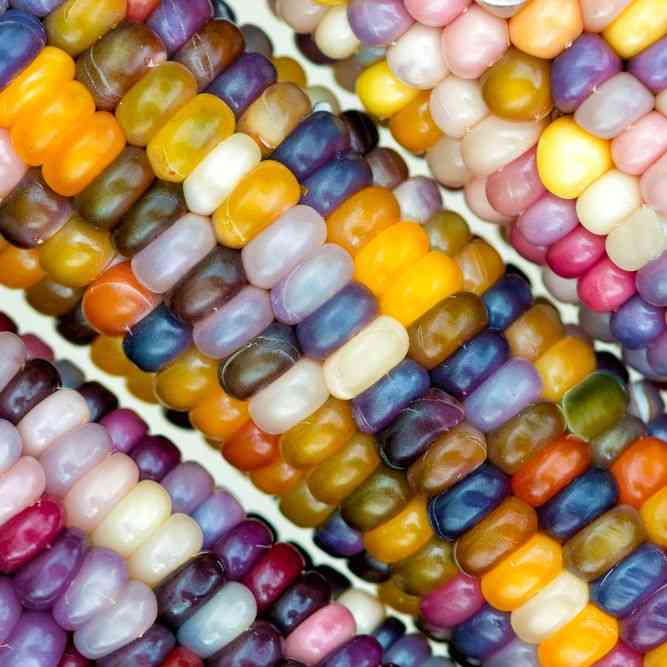
Glass Gem Flint corn Seeds

Glass Gem Flint corn Seeds

Glass Gem Flint corn seeds grow into upright/erect plants reaching 73–96 in and producing commonly 3–8 in ears.

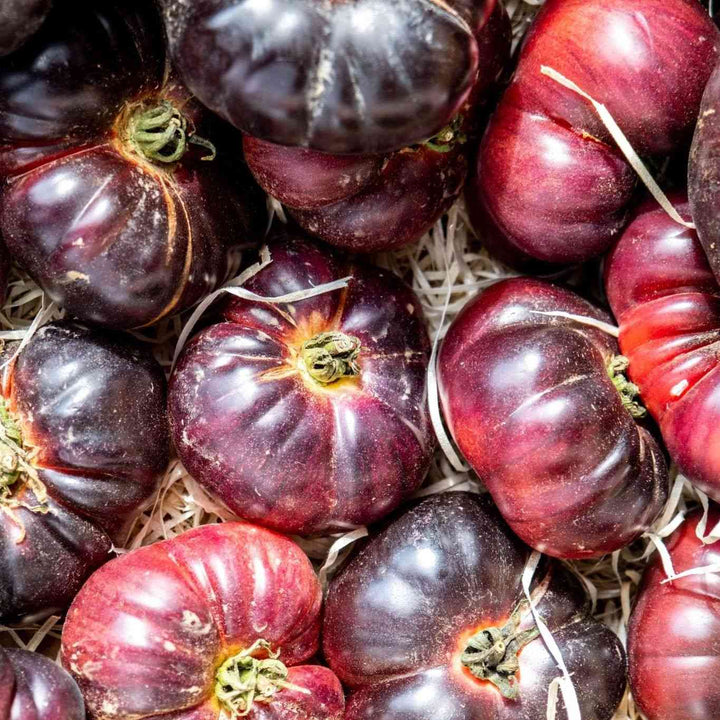
Cherokee Purple Tomato

Cherokee Purple Tomato

Cherokee Purple tomato seeds produce purple slicing tomato fruit on indeterminate plants reaching 61–72 in, maturing in 70-79 Days.

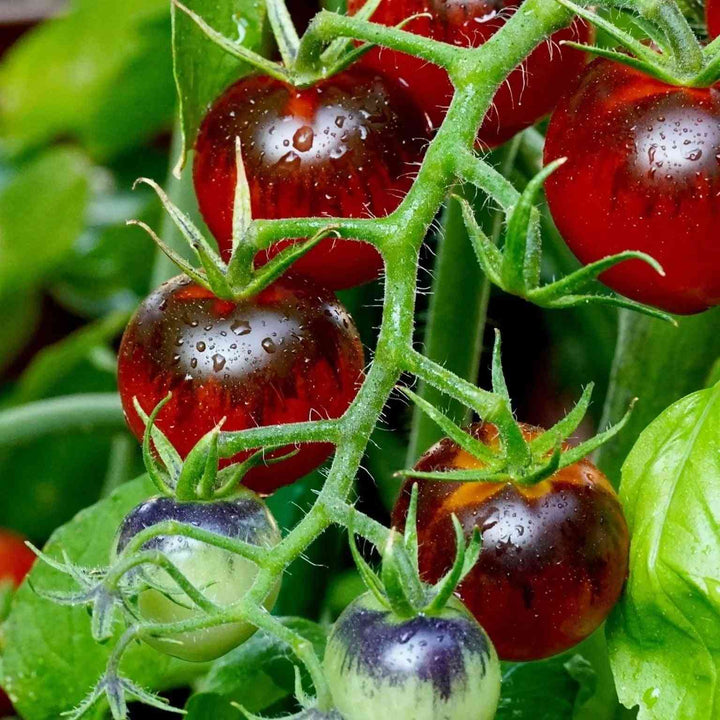
Dancing With Smurfs Tomato

Dancing With Smurfs Tomato

Dancing With Smurfs tomato seeds produce red cherry tomato fruit on indeterminate plants reaching 61–72 in, maturing in 70-79 Days.

Rocket Arugula

Rocket Arugula

Rocket Arugula ( Eruca vesicaria subsp. sativa ) is a fast-growing, cool-season green prized for its bold, peppery flavor and tender, lance-sh...

Dragon Carrot

Dragon Carrot

Dragon Carrot seeds produce a striking heirloom carrot known for its dramatic purple skin, bright orange interior, and sweet, crisp flavor.

Cherokee Trail of Tears Pole Bean

Cherokee Trail of Tears Pole Bean

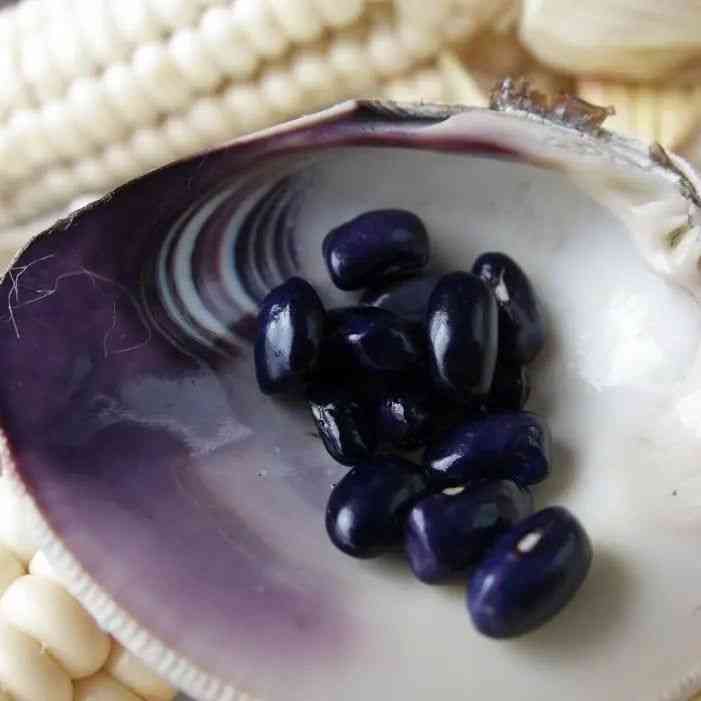
Cherokee Trail of Tears Pole Bean seed with documented history, consistent growing facts, black pod or seed traits, and detailed harvest and s...

Customer experience

Reviews for Hiroshimana Seeds

Customer Reviews

Be the first to write a review
0%
(0)
0%
(0)
0%
(0)
0%
(0)
0%
(0)