Variety field guide
What to expect from Munstead English Lavender Seeds
Compact English lavender with fragrant foliage and violet-blue flowers, usually blooming well from its second year.
Open the complete descriptionHide the complete descriptionVariety traits, flavor, garden use, and the complete description
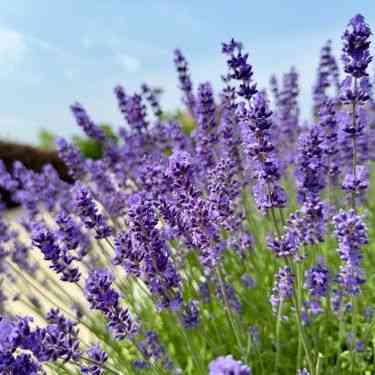
Munstead is a compact English lavender with fragrant gray-green foliage and violet-blue flower spikes. Its smaller habit suits sunny borders, edging, and containers where sharp drainage can be maintained. The flowers offer material for small bouquets and dried sachets, while blooms left on the plant attract visiting bees. Expect a perennial plant that develops over time: seed-grown lavender often gives its better flower display in the second year, rather than behaving like a quick annual bedding flower.
Minimum seeds per packet: 150 seeds.
History and identity
Munstead is a long-established compact selection of English lavender, Lavandula angustifolia. The species comes from the Mediterranean region despite its English common name. Its fragrant foliage and flowers make it a familiar plant for sunny herb gardens and low edging. Seed-grown plants can vary; take cuttings when you want to preserve the exact characteristics of a particular plant.
Sowing and establishment
Start indoors about 8–10 weeks before your last frost. Sow in a clean, freely draining mix and cover very lightly, about 1/8 inch; light helps germination. Keep around 65–70°F and allow about 14–21 days, sometimes longer or unevenly. Keep seed mix moist without saturation. Provide strong light after emergence, pot on when needed, and harden gradually before planting outside after frost risk.
Growing and care
Plant in full sun, spacing about 18 inches apart with 24–36 inches between rows. Munstead commonly reaches about 12–18 inches tall. Use sharply drained soil, ideally near neutral to slightly alkaline, and avoid heavy, wet sites. Water young plants while they establish; mature plants tolerate dry spells and should not stay constantly wet. Avoid heavy nitrogen feeding. Trim lightly after flowering without cutting into bare old wood.
Harvest and use
Cut flower stems as the first florets begin opening for fragrant dried bunches. Harvest after dew has dried, tie into small bundles, and hang in a dry, airy place out of direct sun. Leave some spikes for pollinators. Dry flowers can be used in sachets; the garden value comes from both flowers and aromatic evergreen-to-semievergreen foliage, depending on winter climate.
Saving seed
Leave selected flower spikes on several healthy plants until seed ripens and dries. Collect over a tray, finish drying, separate seed from chaff, and store cool and dry. Lavender seedlings may differ from their parents, especially where other lavenders flower nearby. Take cuttings from a desired plant when an exact match is important.