Free U.S. seed shipping $35+. Seeds ship free at the threshold.

Current Processing Times Before Shipping Are 1-2 Business Days

Red Rubin Basil

Scientific name Ocimum basilicum L.

About this variety

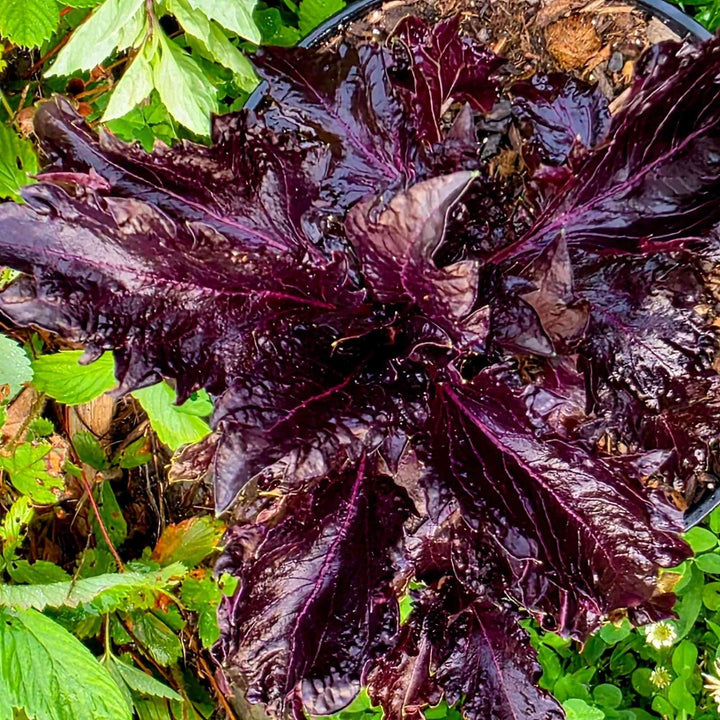
A deep red beauty with bold basil flavor. ‘Red Rubin’ combines the vigor of modern breeding with the old-world charm of purple basil, producing broad, ruffled leaves of dark burgundy that glisten in sunlight. The flavor is rich, slightly aniseed, and unmistakably sweet-excellent for pesto, infused oils, and herbal vinegar where color and taste both shine. The leaves...

Open the complete description
Read 2 customer reviews

Grown these seeds from us? Use the review invitation in your order follow-up email to share your experience.

$2.00

Free U.S. seed shipping starts at $35 in eligible seed items. Installment payment options are shown separately.

Pickup available at Bertie County Seeds

Usually ready in 2-4 days

Pickup timing is separate from shipping. Online availability is shown by the Add to cart button; availability is rechecked when you add.

At a glance

The facts most gardeners need first

Open the full variety record
500 minimum seeds per packet
Gardener experience

Easy to moderate

Germination difficulty

Easy

Germination time

5-10 Days at 70–85 °F seed-zone soil temperature

  • Germination
    5-10 Daysa seed-zone soil temperature of 70–85 °F
  • Maturity
    Approximately 60-69 Days, from transplanting to the first substantial leaf harvest. Weather, soil temperature, and planting method can shift the actual harvest date.
  • Sun
    Full sun
  • Support and spacing
    No support needed · space 10 in · rows 18 in
  • Growth habit
    Upright or erect · Annual · 19–24 in tall
  • Best use
    Fresh leaves, tea or culinary use, pollinator flowers, containers, and seed saving
Secure checkout Details
Generic
Triple-tested seed qualityRegular quality and germination checks support every packet.

We regularly test seed quality and germination as lots move through storage and packing. We stand behind the seed we send and want customers to contact us when a packet does not perform as reasonably expected.

1-year seed warrantyCoverage begins on the date of purchase.

When properly stored, planted, and cared for, we guarantee reasonable germination and true-to-type growth for one year from the date of purchase. Conditions outside our control—including extreme weather, pests, unsuitable storage, and gardener error—are excluded. Contact us when something is not right so we can review the situation and work toward a replacement, refund, or another fair resolution.

Non-GMO / BE seed policyWe do not buy or sell genetically engineered or bioengineered seed.

Every seed variety we sell is non-GMO.

USDA’s National Bioengineered Food Disclosure Standard defines bioengineered foods as containing detectable genetic material modified through in vitro recombinant DNA methods in ways not achievable through conventional breeding or found in nature.

  • Hybrid means parent lines were conventionally crossed; hybrid does not mean GMO.
  • Heirloom and open-pollinated describe how a variety is maintained and reproduced.
  • Organic certification is separate and is shown only when verified for the individual product.
Packed in Colerain, North CarolinaPrepared in our seed room for gardens across the country.

Seeds are packed and shipped from Colerain, North Carolina. Our packets use forestry-certified paper, and we use recyclable paper mailers where appropriate. AONSK is also a 1% for the Planet partner while continuing to reduce waste in packing and fulfillment.

Seed & Garden Calculators

Need a plan for your space?

Use the garden-fit planner and soil calculator to turn the recorded growing facts into a practical plan.

Open Seed & Garden Calculators Uses this product’s recorded growing information. Local weather and garden conditions may vary.

Variety field guide

What to expect from Red Rubin Basil

Red Rubin is an annual basil selection grown for fresh leaves, tea or culinary use, pollinator flowers, containers, and seed saving.

Open the complete descriptionHide the complete descriptionVariety traits, flavor, garden use, and the complete description

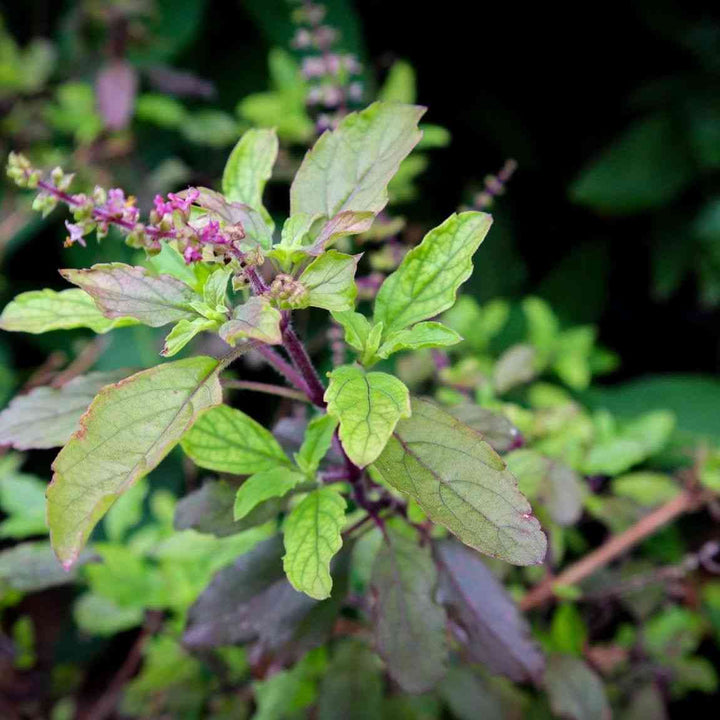
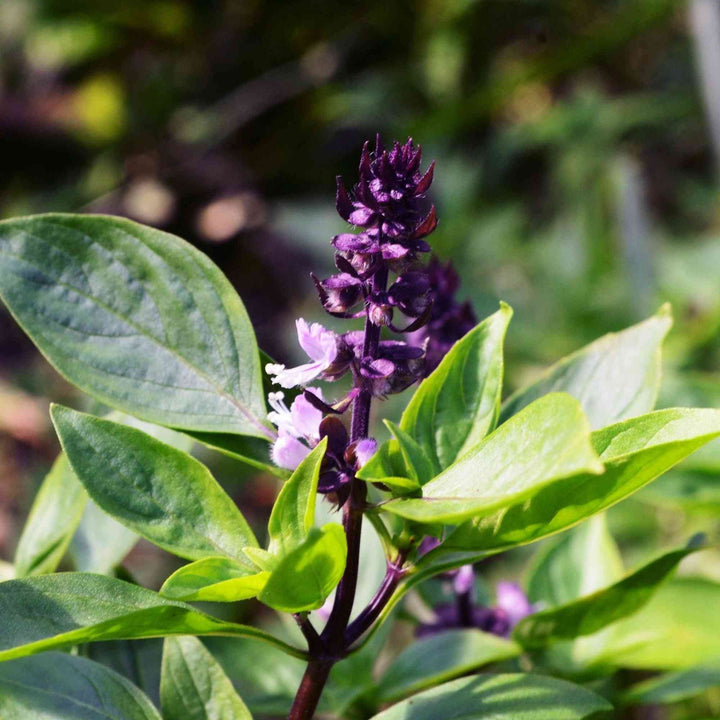
A deep red beauty with bold basil flavor. ‘Red Rubin’ combines the vigor of modern breeding with the old-world charm of purple basil, producing broad, ruffled leaves of dark burgundy that glisten in sunlight. The flavor is rich, slightly aniseed, and unmistakably sweet-excellent for pesto, infused oils, and herbal vinegar where color and taste both shine. The leaves hold their color longer than most purple varieties, making ‘Red Rubin’ prized for both culinary and ornamental use.

Minimum seeds per packet: 500 seeds.

About Red Rubin

Red Rubin is an annual selection of basil, with an upright/erect habit and an expected height or spread of 19–24 in. It is best suited to fresh leaves, tea or culinary use, pollinator flowers, containers, and seed saving. Notable traits include red coloring; harvest leafy tips before heavy flowering; allow selected plants to flower fully for seed; aromatic leaves shaped by the named basil type.

Keep field notes on Red Rubin so its performance can be compared with other basil selections under the same planting date and care.

History and provenance

Cultivated basils include multiple Ocimum species and hybrids selected across Africa and Asia for fragrance, culinary use, devotional practice, leaf form, and ornamental color. Sweet basil, holy basil, clove basil, and lemon basil are not automatically interchangeable, even when all are sold under the common word basil. Red Rubin Basil Red Rubin Basil is a modern refinement of the ancient purple basils that once adorned Mediterranean gardens and royal herb plots. Developed in Denmark in the 1990s, it was bred for deeper color, uniformity, and a stronger, sweeter aroma than earlier purple types. Its lineage, however, reaches back to the traditional sweet basils of southern Europe, where purple-leaved strains were prized not only for flavor but also for beauty and symbolism. Throughout history, purple basil varieties were associated with nobility, vitality, and protection. In Italy and Greece, they were often planted near doorways as both ornament and charm, believed to bring good fortune to the home. Red Rubin carried that old-world spirit into the modern era, marrying tradition with horticultural precision to create a plant equally suited for cuisine and ornamental display. Originating from Danish breeding lines in the 1990s, it refined the heritage of ‘Dark Opal’ into a more productive and colorful form. A showpiece basil that brings beauty, scent, and classic Mediterranean flavor in equal measure.

Growing facts

Scientific name Ocimum basilicum L.
Life cycle Annual
Maturity 60-69 Days
Germination 5-10 Days at 70–85 °F
Seed depth 1/8 in
Plant height / spread 19–24 in
Growth habit Upright/Erect
Spacing 10 in between plants; 18 in between rows
Sunlight Full sun
Soil Loamy; pH 6.0–6.5
Water Moderate
Support No-Support

Starting Red Rubin from seed

Sow 1/8 in deep and keep the seed zone evenly moist. Expect emergence in 5-10 Days when the seed-zone temperature is near 70–85 °F. Germination preparation: Use a fine, evenly moist seed-starting mix or prepared seedbed. Light requirement: Light aids germination; barely cover. Soaking: None required. Stratification: None required. Scarification: None required.

Planting and care

Plant during late Spring and provide full sun. Space plants 10 in apart with 18 in between rows. Use loamy with a pH near 6.0–6.5, and follow a moderate watering plan. Support requirement: No-Support. Frost response: Tender. Medium to large container or in-ground bed; avoid crowding

Harvest and use

Approximately 60-69 Days, from transplanting to the first substantial leaf harvest. Weather, soil temperature, and planting method can shift the actual harvest date. Harvest: Harvest leafy tips before heavy flowering; allow selected plants to flower fully for seed. Uses: Fresh leaves, tea or culinary use, pollinator flowers, containers, and seed saving. Flavor: aromatic leaves shaped by the named basil type. Seed saving: Open-pollinated herb or leafy crop. Best uses include fresh leaves, tea or culinary use, pollinator flowers, containers, and seed saving. Flavor and eating quality: aromatic leaves shaped by the named basil type.

Saving seed

Select several healthy, true-to-type Red Rubin plants that match the expected upright/erect habit and overall plant form. Avoid saving seed only from the earliest or largest individual unless that is your deliberate selection goal. Pollination system: Open-pollinated herb or leafy crop. Compatible plants of the same species may cross to varying degrees through insects or wind. Separate compatible varieties that may flower together, or use cages, barriers, hand pollination, or another documented control appropriate to the crop. Allow selected plants to pass the eating stage and reach full botanical seed maturity. Harvest only when seed heads, pods, or fruits have matured enough for sound seed development. Clean the seed carefully, dry it thoroughly away from direct heat, label the lot with variety and year, and store it cool, dark, and dry. Test germination before an important planting or distribution season.

Common problems

Common concerns: Aphids, whiteflies, spider mites, slugs, damping-off, root rot, and leaf diseases under humid crowded conditions. Management: Provide airflow, drainage, moderate fertility, careful watering, and clean harvest practices. Contain spreading mints where needed. Diagnosis note: Similar symptoms can have different causes. Compare plants of the same age, record weather and irrigation, and use local Extension or diagnostic support before applying a control.

Frequently asked questions

Frequently Asked Questions - Red Rubin

When is Red Rubin ready? Use 60-69 Days. Approximately 60-69 Days, from transplanting to the first substantial leaf harvest. Weather, soil temperature, and planting method can shift the actual harvest date.

How long does germination take? Expect 5-10 Days at about 70–85 °F. Cooler, hotter, crusted, saturated, or dry seedbeds can slow emergence.

How large does it grow? Expect about 19–24 in with an upright/erect habit. Space plants 10 in apart and rows 18 in apart. Support: No-Support.

Can it grow in a container? Medium to large container or in-ground bed; avoid crowding Use a container with drainage and enough volume to maintain the listed spacing and steady moisture.

Can I save seed? Open-pollinated herb or leafy crop. Keep compatible varieties isolated and allow selected plants to reach full seed maturity.
Seed & Garden CalculatorsOpen the garden-fit planner, planting-window questions, or soil calculator only when useful

Uses this product’s recorded growing information. Local weather, soil, and garden conditions may vary.

Garden-fit planning for this variety

Will Red Rubin Basil fit your garden?

Check container space, harvest use, life cycle, light, moisture, and sowing method. Start with the essentials, then open only the detail groups that matter to you.

Rules-based · no AI · optional answers

Add an optional ZIP code and planting date for a broad frost-window check.Use local forecasts and measured soil temperature for final planting decisions.
1Essential fitTiming, light, and space
2Temperature and exposureOptional microclimate detail
3Soil, drainage, and waterRoot-zone readiness
4Questions for this culinary herb seedCrop-specific decisions
5Seed-starting fit and patienceMatch the propagation work
Recorded product profileBeginnerEasyRead why
Soil test, pH, drainage, and amendment calculator Have a laboratory soil report? Enter pH, nutrients, texture, bed size, and site observations here. Open soil tools
Recorded soil typeLoamy
Recorded pH range6.0–6.5
Water needsModerate
LightFull sun

Laboratory report interpreter

Soil readiness for Red Rubin Basil

Ocimum basilicum L.

Enter only the values your report provides. The result compares them with this crop’s recorded needs and keeps laboratory recommendations authoritative.

Core report valuesStart here
Advanced laboratory valuesOptional method-aware detail

Full growing record

Complete growing and seedkeeping record

Starting and plantingSeed preparation, sowing, germination, transplanting, spacing, and early establishment
Sow 1/8 in deep. Expect germination in 5-10 Days at 70–85 °F. Space plants 10 in apart and rows 18 in apart. Provide full sun, loamy near pH 6.0–6.5, and moderate watering. Support: No-Support. Red Rubin grows with an upright/erect habit to about 19–24 in. Plant during late Spring, provide full sun, and use loamy near pH 6.0–6.5. Space plants 10 in apart with 18 in between rows. Water requirement: Moderate. Support: No-Support.
Season-long growing guideWater, fertility, support, weather response, pollination, containers, and care through maturity
Sow 1/8 in deep. Expect germination in 5-10 Days at 70–85 °F. Space plants 10 in apart and rows 18 in apart. Provide full sun, loamy near pH 6.0–6.5, and moderate watering. Support: No-Support.
Harvest, storage, and usesRecognizing maturity, harvesting cleanly, handling, storage, and crop-appropriate uses

Harvest and storage

Harvest: Harvest: Harvest leafy tips before heavy flowering; allow selected plants to flower fully for seed. Uses: Fresh leaves, tea or culinary use, pollinator flowers, containers, and seed saving. Flavor: aromatic leaves shaped by the named basil type. Seed saving: Open-pollinated herb or leafy crop. Uses: Fresh leaves, tea or culinary use, pollinator flowers, containers, and seed saving. Flavor: aromatic leaves shaped by the named basil type. Seed saving: Open-pollinated herb or leafy crop.

Uses and garden roles

Red Rubin is best for fresh leaves, tea or culinary use, pollinator flowers, containers, and seed saving. Flavor and sensory character: aromatic leaves shaped by the named basil type. Harvest form or size: Harvest leafy tips before heavy flowering; allow selected plants to flower fully for seed.
Seed savingSelection, pollination, isolation, full maturity, cleaning, drying, labeling, and storage
Select several healthy, true-to-type Red Rubin plants that match the expected upright/erect habit and overall plant form. Avoid saving seed only from the earliest or largest individual unless that is your deliberate selection goal. Pollination system: Open-pollinated herb or leafy crop. Compatible plants of the same species may cross to varying degrees through insects or wind. Separate compatible varieties that may flower together, or use cages, barriers, hand pollination, or another documented control appropriate to the crop. Allow selected plants to pass the eating stage and reach full botanical seed maturity. Harvest only when seed heads, pods, or fruits have matured enough for sound seed development. Clean the seed carefully, dry it thoroughly away from direct heat, label the lot with variety and year, and store it cool, dark, and dry. Test germination before an important planting or distribution season.
Pests, diseases, and troubleshootingPrevention, diagnosis, environmental disorders, common damage, and first-response checks
Common concerns: Aphids, whiteflies, spider mites, slugs, damping-off, root rot, and leaf diseases under humid crowded conditions. Management: Provide airflow, drainage, moderate fertility, careful watering, and clean harvest practices. Contain spreading mints where needed. Diagnosis note: Similar symptoms can have different causes. Compare plants of the same age, record weather and irrigation, and use local Extension or diagnostic support before applying a control.
Frequently asked questionsDecision-focused answers that supplement the detailed guides above
Frequently Asked Questions - Red Rubin

When is Red Rubin ready? Use 60-69 Days. Approximately 60-69 Days, from transplanting to the first substantial leaf harvest. Weather, soil temperature, and planting method can shift the actual harvest date.

How long does germination take? Expect 5-10 Days at about 70–85 °F. Cooler, hotter, crusted, saturated, or dry seedbeds can slow emergence.

How large does it grow? Expect about 19–24 in with an upright/erect habit. Space plants 10 in apart and rows 18 in apart. Support: No-Support.

Can it grow in a container? Medium to large container or in-ground bed; avoid crowding Use a container with drainage and enough volume to maintain the listed spacing and steady moisture.

Can I save seed? Open-pollinated herb or leafy crop. Keep compatible varieties isolated and allow selected plants to reach full seed maturity.
History and provenanceBotanical identity, cultivar history, regional or cultural context, uncertainty, and source records

Scientific name: Ocimum basilicum L.

Common name: Basil

Cultivar or variety: Red Rubin

Cultivated basils include multiple Ocimum species and hybrids selected across Africa and Asia for fragrance, culinary use, devotional practice, leaf form, and ornamental color. Sweet basil, holy basil, clove basil, and lemon basil are not automatically interchangeable, even when all are sold under the common word basil. Red Rubin Basil Red Rubin Basil is a modern refinement of the ancient purple basils that once adorned Mediterranean gardens and royal herb plots. Developed in Denmark in the 1990s, it was bred for deeper color, uniformity, and a stronger, sweeter aroma than earlier purple types. Its lineage, however, reaches back to the traditional sweet basils of southern Europe, where purple-leaved strains were prized not only for flavor but also for beauty and symbolism. Throughout history, purple basil varieties were associated with nobility, vitality, and protection. In Italy and Greece, they were often planted near doorways as both ornament and charm, believed to bring good fortune to the home. Red Rubin carried that old-world spirit into the modern era, marrying tradition with horticultural precision to create a plant equally suited for cuisine and ornamental display. Originating from Danish breeding lines in the 1990s, it refined the heritage of ‘Dark Opal’ into a more productive and colorful form. A showpiece basil that brings beauty, scent, and classic Mediterranean flavor in equal measure.

Continue planning

Related products, collections, and growing guides

Explore the full collection
Heirloom Basil Seeds for Culinary and Garden UseExplore the full collection →
Red Leaf Holy Basil

Red Leaf Holy Basil

Its scent is warm and clove-like, layered with notes of fruit, spice, and a gentle earthiness that calms the senses and fills the air with dev...

Sweet Thai Large Leaf Basil

Sweet Thai Large Leaf Basil

An essential herb in Southeast Asian cuisine, Ocimum basilicum var. thyrsiflora ‘Sweet Thai Large Leaf’ delivers the signature sweet-anise aro...

Sweet Thai Basil

Sweet Thai Basil

Sweet Thai is best suited to Southeast Asian cooking, containers, and warm-season harvest.

Sweet Genovese Basil

Sweet Genovese Basil

Sweet Genovese Basil is best suited to pesto, sauces, fresh slicing, and repeated leaf harvest.

Siam Queen Thai Basil

Siam Queen Thai Basil

A celebrated variety of Thai basil, Ocimum basilicum var. thyrsiflora ‘Siam Queen’ is prized for its bold, sweet-spicy flavor and powerful fra...

Purple Ruffles Basil

Purple Ruffles Basil

A striking ornamental and culinary heirloom basil, Ocimum basilicum ‘Purple Ruffles’ turns every garden bed and kitchen creation into a visual...

Customer experience

Reviews for Red Rubin Basil

Customer Reviews

Based on 2 reviews
100%
(2)
0%
(0)
0%
(0)
0%
(0)
0%
(0)
S
Samantha D Burchett (United States)

Germinated and is growing beautifully even with the on and off heat waves

Hi Samantha, we're so glad to hear your basil seeds are thriving despite the weather! Thanks for sharing your positive experience.

A
Anonymous (United States)

Great germination rate, beautiful plants