Variety field guide
What to expect from Top Notch Golden Wax Bean Seeds
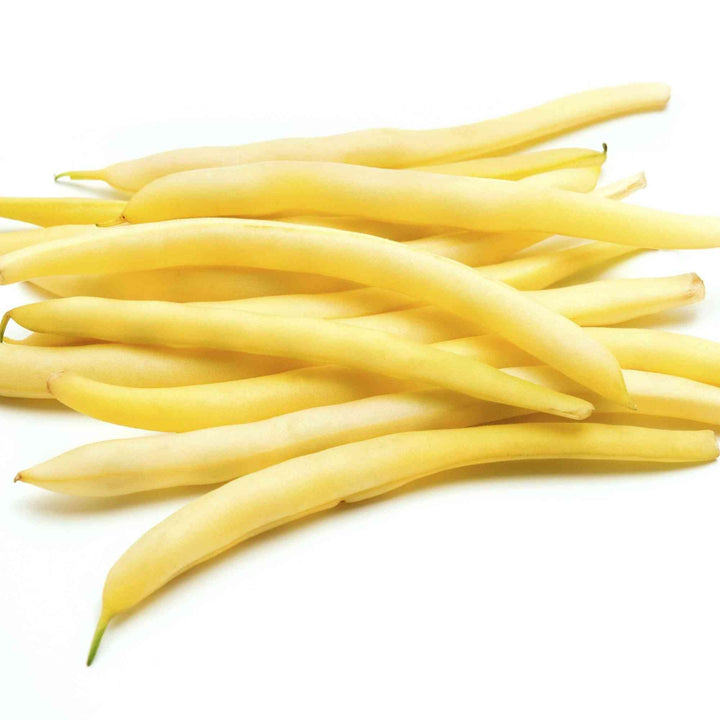
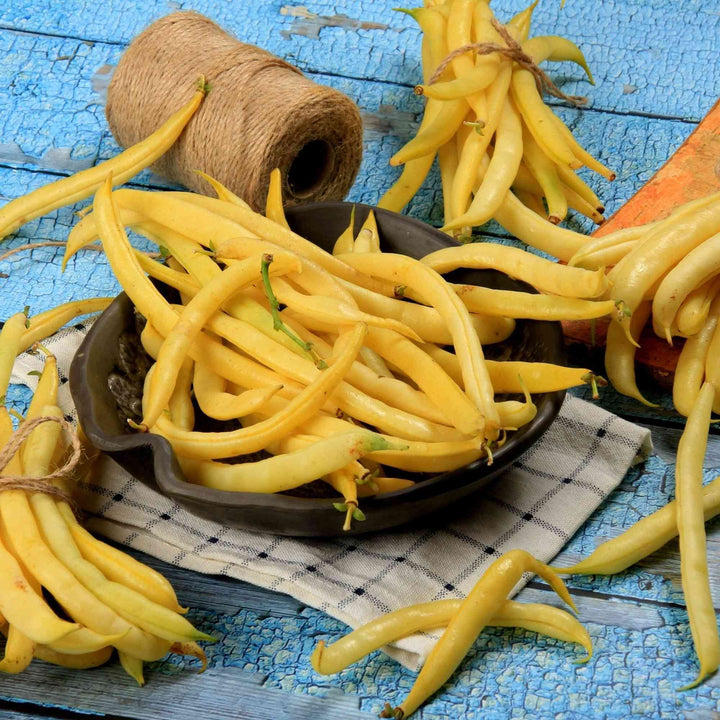
Top Notch Golden Wax bears bright yellow snap beans on compact bushes, making the tender pods easy to spot at picking time.
Open the complete descriptionHide the complete descriptionVariety traits, flavor, garden use, and the complete description
Top Notch Golden Wax bears bright yellow snap beans on compact bushes, making the tender pods easy to spot at picking time. Harvest them young at about 5-6 in., before the seeds swell, for a crisp bite and mild bean flavor. Golden wax beans have long earned a place in home gardens for fresh meals and preserving. This early type begins around 53 days after sowing and needs no tall trellis; repeated picking helps keep the short plants productive.
Minimum seeds per packet: 25 seeds.
Golden pods, compact bushes and an early garden harvest.
Growing facts
- Botanical name: Phaseolus vulgaris
- Maturity or display: About 53 days from direct sowing to young snap pods
- Mature size: Bush plants about 12-24 in tall; yellow snap pods about 5-6 in
- Spacing: 6 in between plants; rows 24 in
About the variety
Top Notch Golden Wax is also sold as Golden Wax or Improved Golden Wax. Yellow-podded wax beans have a long history in home gardens, where their visible pods and tender eating quality made them useful for fresh meals and preserving. This incoming selection is matched to our Golden Wax listing.
Starting seed
Direct sow 1 in. deep after frost in warm soil. Sprouts in 5-10 days at 70-90 F. Thin to 6 in.; rows 24 in. Keep evenly moist; avoid wet foliage.
Care through the season
Plant in full sun and well-drained soil after cold, wet conditions have passed. Keep moisture steady during flowering and pod development. Bush plants do not need a tall climbing support. Avoid working among wet plants and harvest gently so the short branches are not broken. Successive sowings can extend the picking season.
Harvest and use
Pick young yellow pods often before seeds bulge. Chill or blanch and freeze. For seed, isolate varieties and let healthy pods dry fully on the plants.
Saving seed
Common beans usually self-pollinate, but insects can occasionally cause crossing. Isolate from other flowering Phaseolus vulgaris varieties, keep several healthy true-to-type plants for seed, and allow pods to become dry and brittle. Shell, finish drying, and store cool and dry. Avoid saving seed from diseased plants.
Common problems
Watch for bean beetles, aphids and leafhoppers. Root rot is more likely in cold, saturated soil. Use crop rotation, airflow and root-zone irrigation to limit disease spread. No specific disease-resistance package is claimed.
Frequently asked questions
When can I harvest?
About 53 days from direct sowing to young snap pods.
How should I grow it?
Plant in full sun and well-drained soil after cold, wet conditions have passed. Keep moisture steady during flowering and pod development. Bush plants do not need a tall climbing support. Avoid working among wet plants and harvest gently so the short branches are not broken. Successive sowings can extend the picking season.
Can I save seed?
Common beans usually self-pollinate, but insects can occasionally cause crossing. Isolate from other flowering Phaseolus vulgaris varieties, keep several healthy true-to-type plants for seed, and allow pods to become dry and brittle. Shell, finish drying, and store cool and dry. Avoid saving seed from diseased plants.